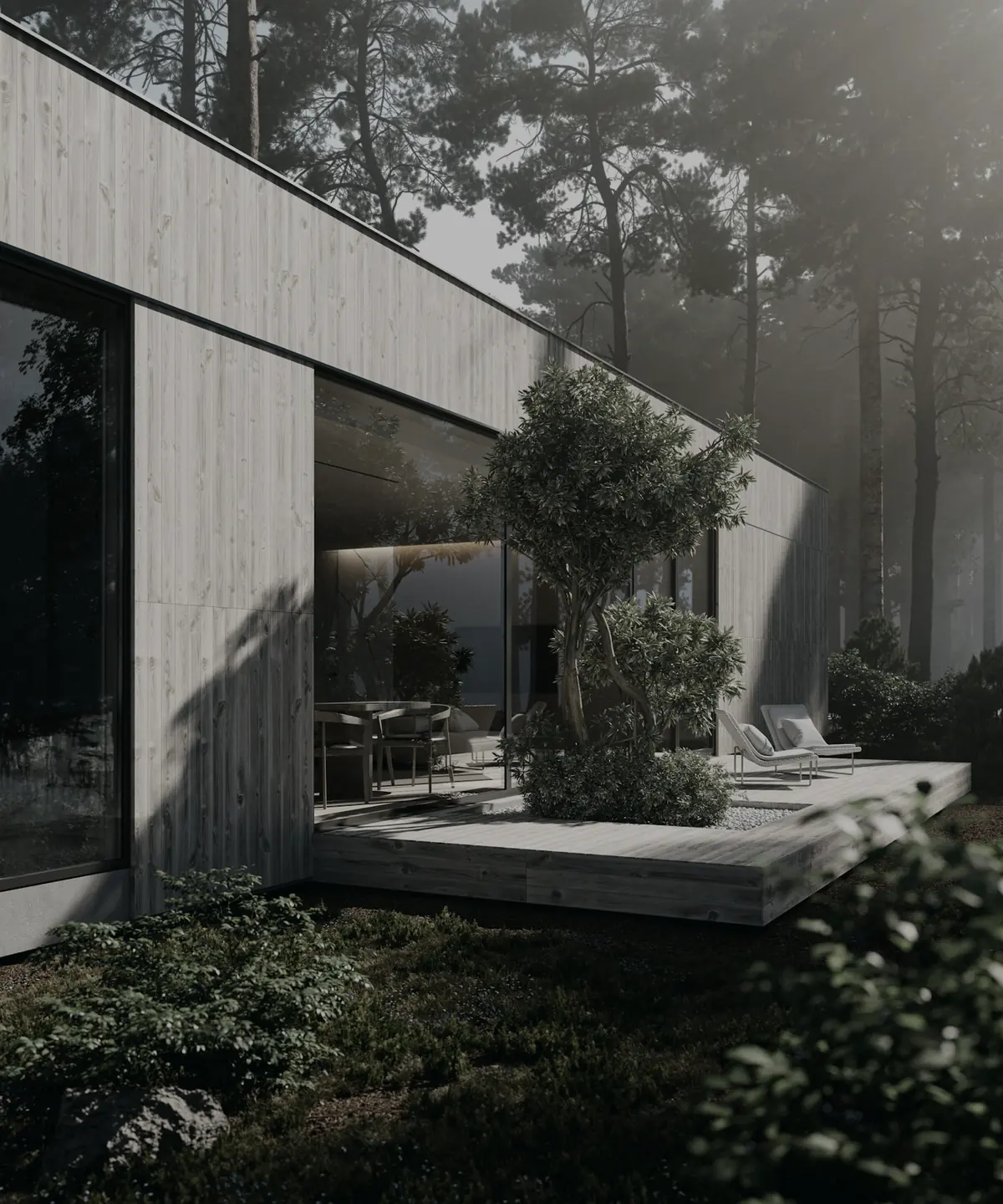
Shift capability
From 500 people upwards, security, medicine and supply run around the clock in shifts. Carried by trained staff, not by the citizens, and without overloading any individual.
Communities that supply and protect themselves: water, energy, food, medicine and security as one ecosystem. In places where you would gladly live even without a crisis. Nobody here has to hide underground.
Schema · Ark Type A
Anyone responsible for a family or a fortune plans for scenarios that will hopefully never happen.
Most Plan B offers are single properties without community, without supply and without a security structure.
Those who leave are not looking for a bunker. They are looking for a place where life is good, among people who think alike.
In a real crisis, a house without a system is just a house.
You build an Ark before it rains.
Situation · Type C · B · A
We assign every Plan B property to one of three classes, depending on what it can do without supply from outside.
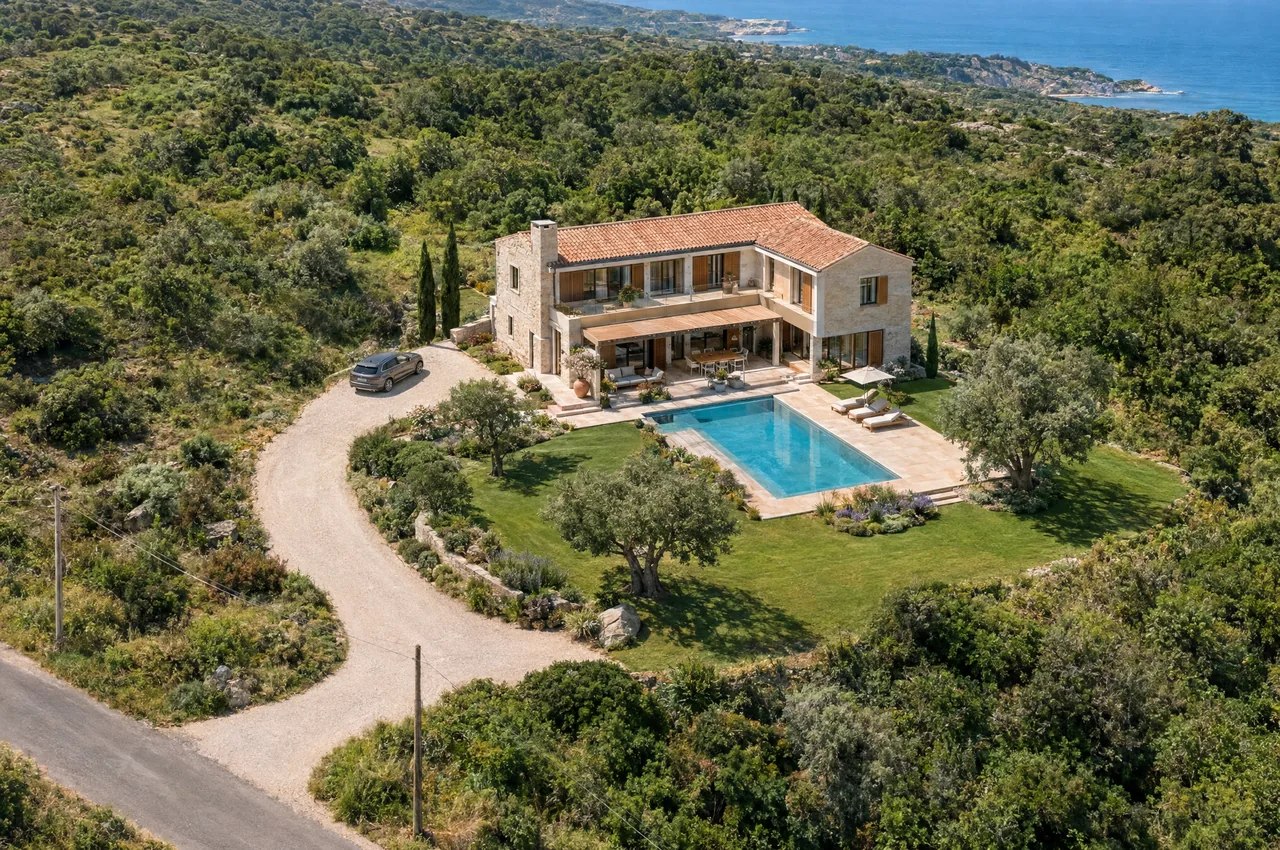
A single property, such as a house or villa abroad. A good start, but on its own in a crisis.
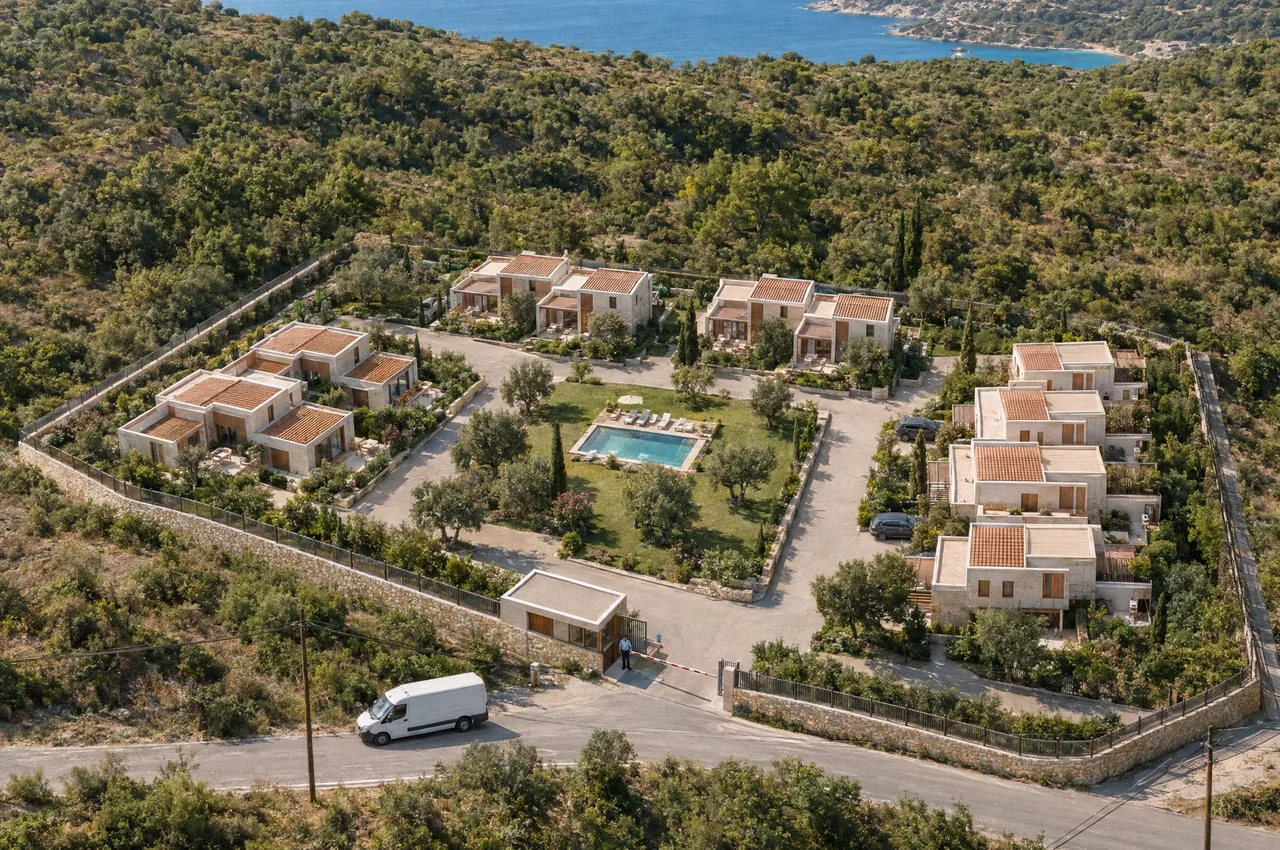
A residential complex with its own security structure. Better protected, but water, energy and food still come from outside.
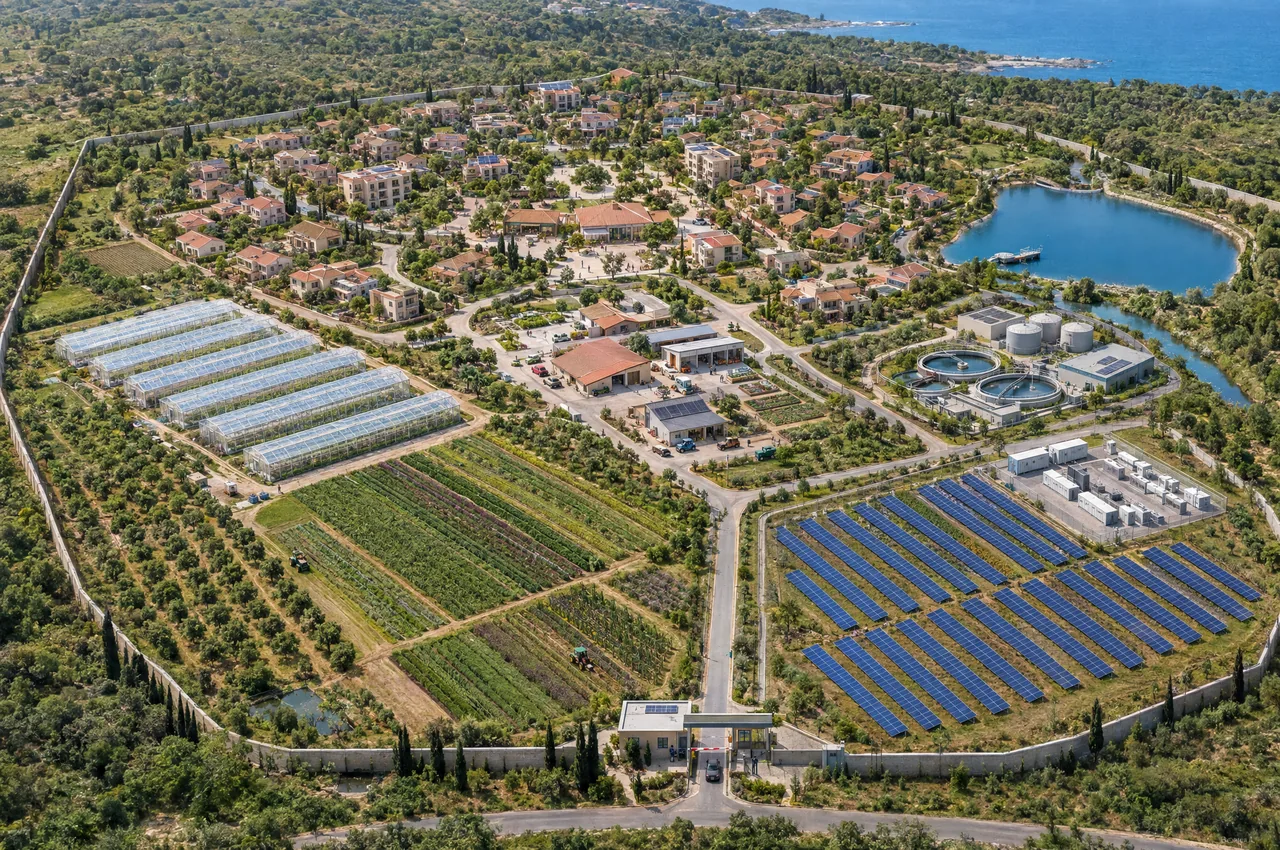
A self-sufficient community of 500 residents or more that supplies and protects itself. All nine criteria met.
| Feature | Type C · Single property | Type B · Secured complex | Type A · Ark |
|---|---|---|---|
| Water and energy | Depends on the public grid and fails with it | Backup power and reserves to bridge the gap, essentially on the public grid | Self-sufficient, permanent island operation |
| Food | Dependent on the nearest supermarket | Supplied from outside, stocks for a short time | Own production for the entire community |
| Security | Fence, camera, alarm system | Own security structure for the complex | Permanent professional structure, overseen by former special forces soldiers |
| Community | Alone among strangers | Neighbours, but no shared organisation | Hundreds of residents with distributed skills |
| Operation | Self-run: you take care of everything yourself | Run by outside service providers | Inhabited, cultivated and run: outside professionals and the skills of its own community work hand in hand |
“In the brochure, they all look good. The difference shows in the first week without power, water and police.”
Residences and Refuges remain part of the offer, but deliberately do not carry the name Ark. And no Ark stands alone: the Ark Network connects Arks worldwide and the exchange between them.
A 100 % self-sufficient, permanently habitable community for at least 500 people, scalable to tens of thousands. With its own water and energy supply, its own food production and its own security structure.
An Ark is not a place to flee to, but a functioning community. It is not occupied only when a crisis strikes; it is already inhabited, cultivated and run today, in places where you would gladly live even without a crisis.
Schema · Ark Type A · Site plan
Mode: everyday. All systems operational.
An emergency changes only the mode, not the system.
Schematic illustration, not a real property. An Ark is designed for self-sufficient operation and for extended interruptions in supply.
“An Ark is not a bunker. It is a place where life goes on when it has stopped everywhere else.”
At Projekt Arche, “Ark” is a reserved quality designation. Only properties that meet all nine criteria may carry the name. Assessment follows the Plan B Resilience Index at site and property level.
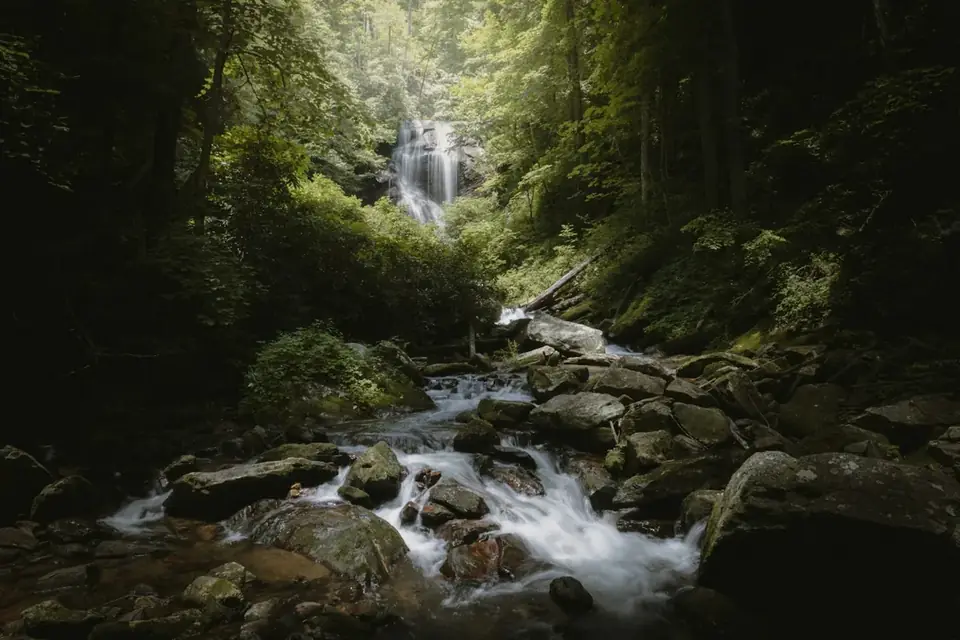
Own spring or well plus treatment, fully independent of the public grid.
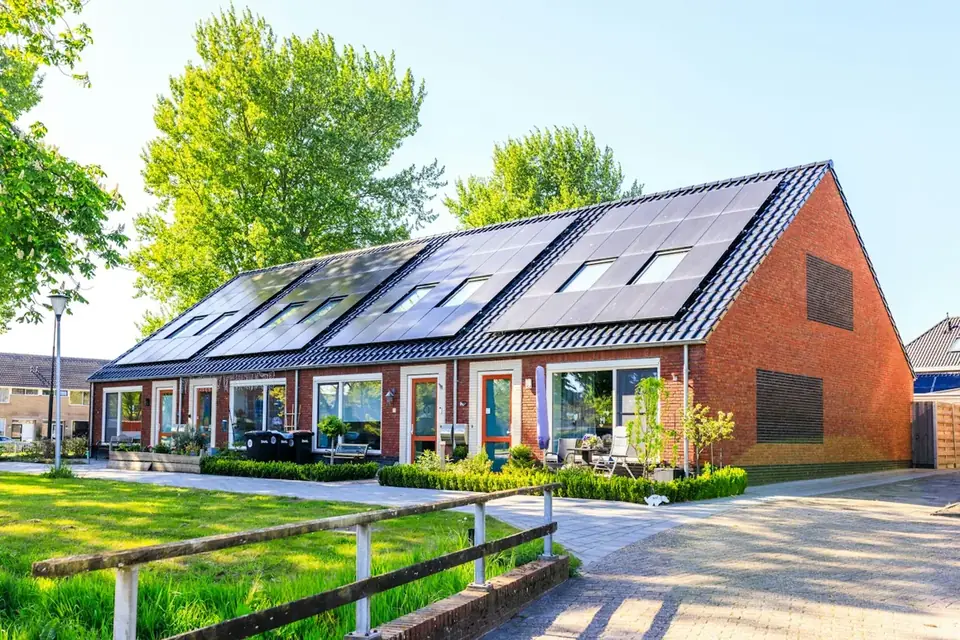
Self-sufficient generation from solar, hydro or generator, with storage. Permanent island operation possible.
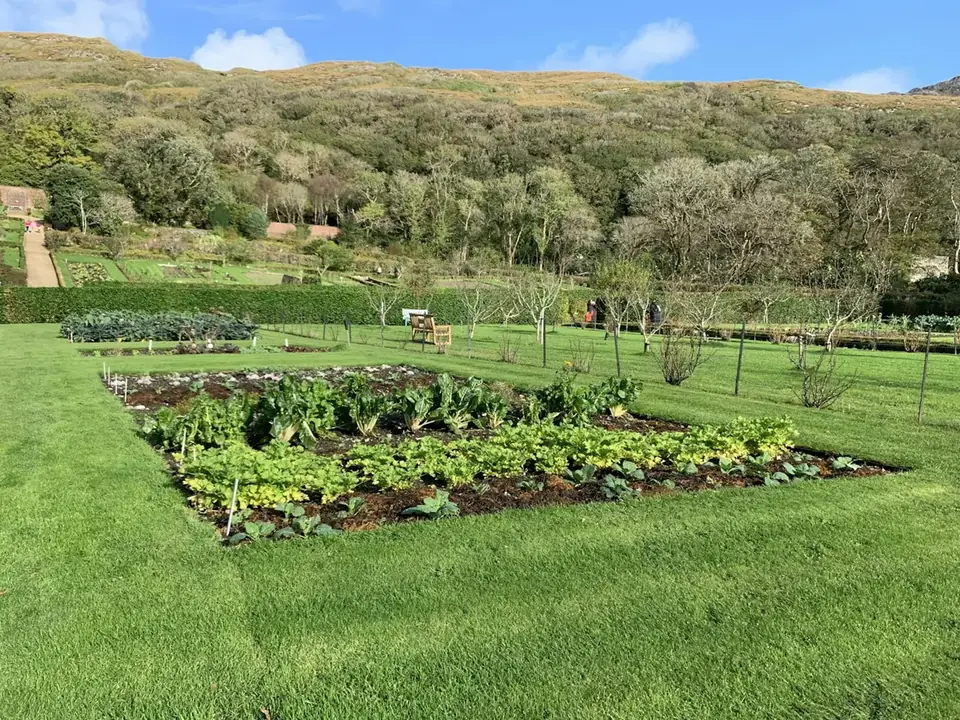
100 % own production from agriculture, livestock and stockpiling for the entire community.
Permanent professional security structure in 24/7 shifts with controlled access, overseen by former special forces soldiers.
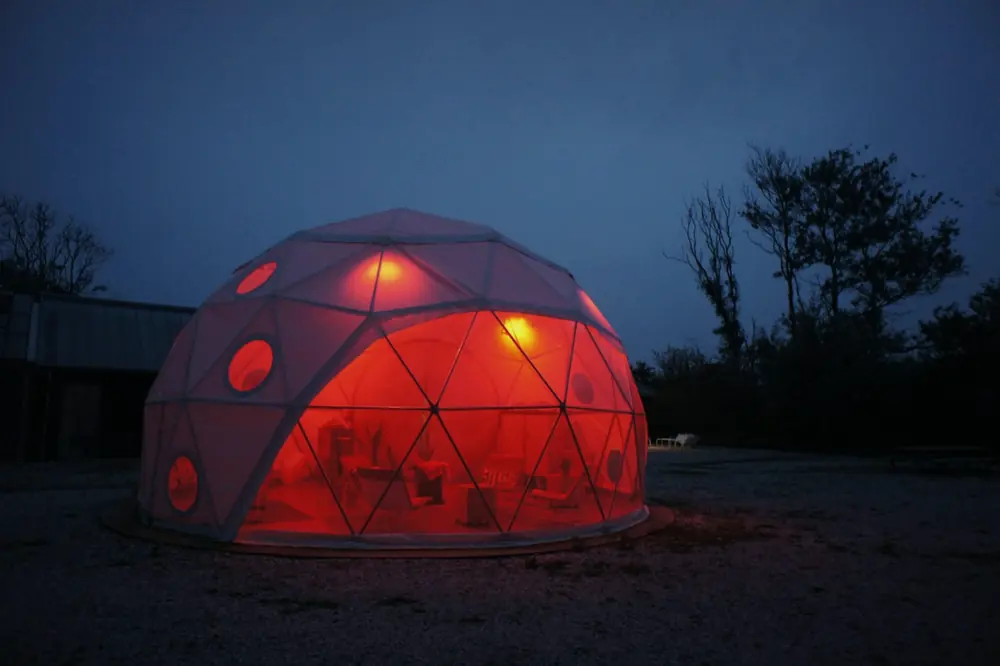
At least 500 residents, scalable to tens of thousands, with distributed skills: medicine, crafts, agriculture, leadership.
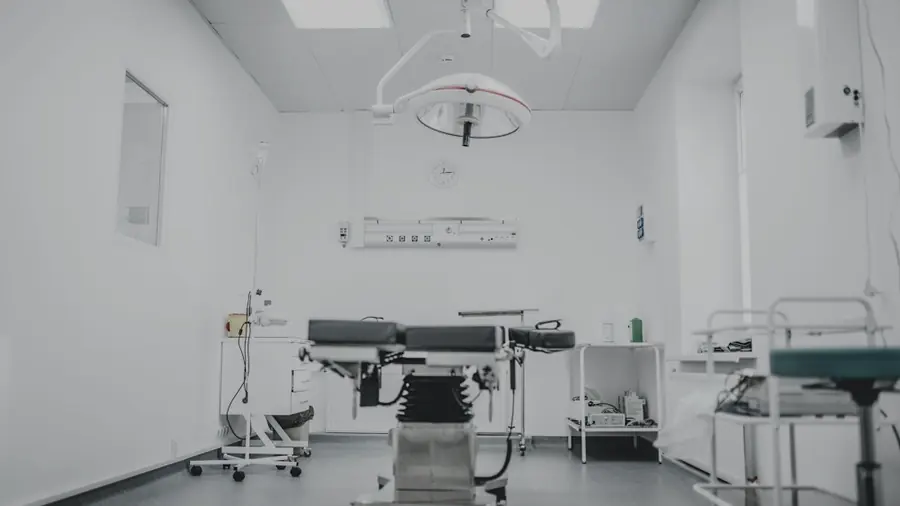
Own first-line care and medical staff on site.
Direct democracy as standard. Every resident is a citizen with a vote, not just a customer.
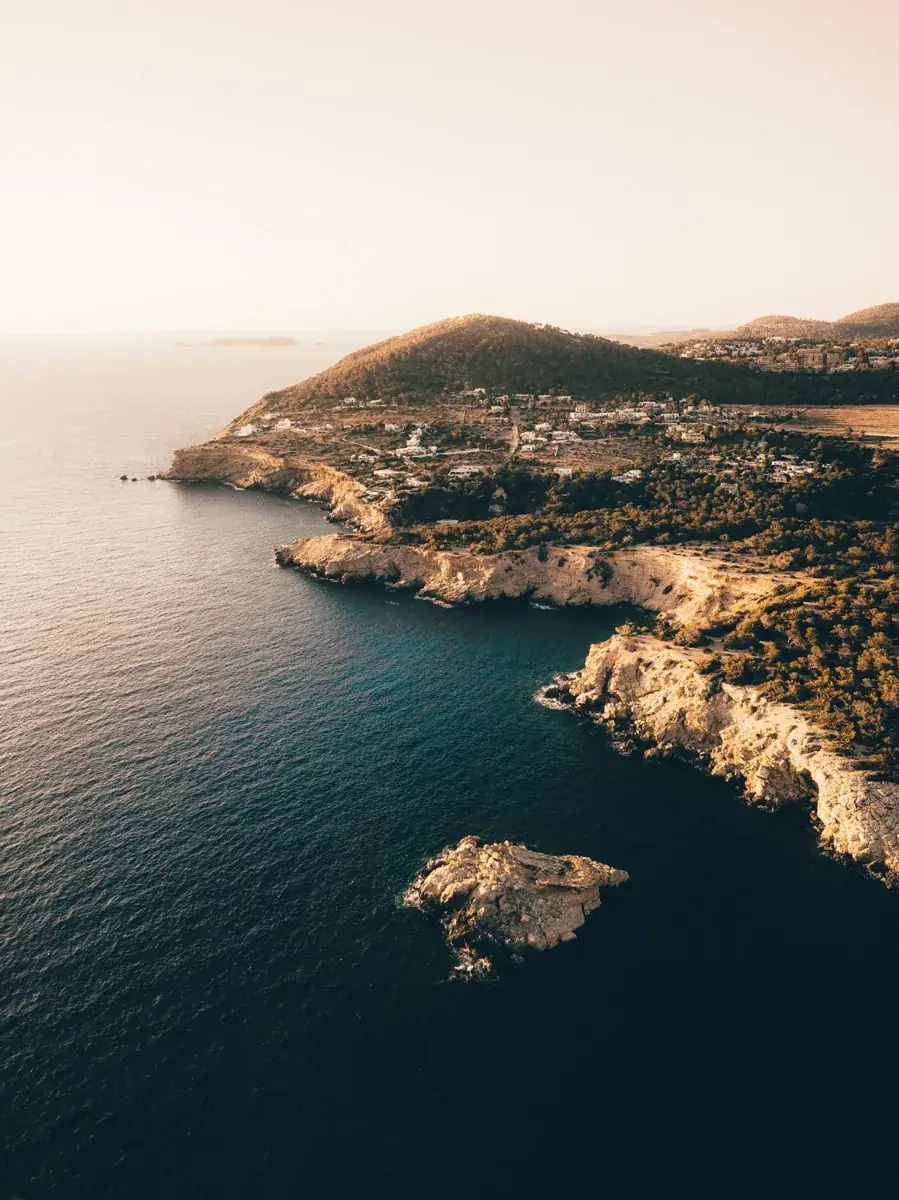
Vetted macro and micro location under the PBRI. Ark approval from 70 points, measured with the Ark.
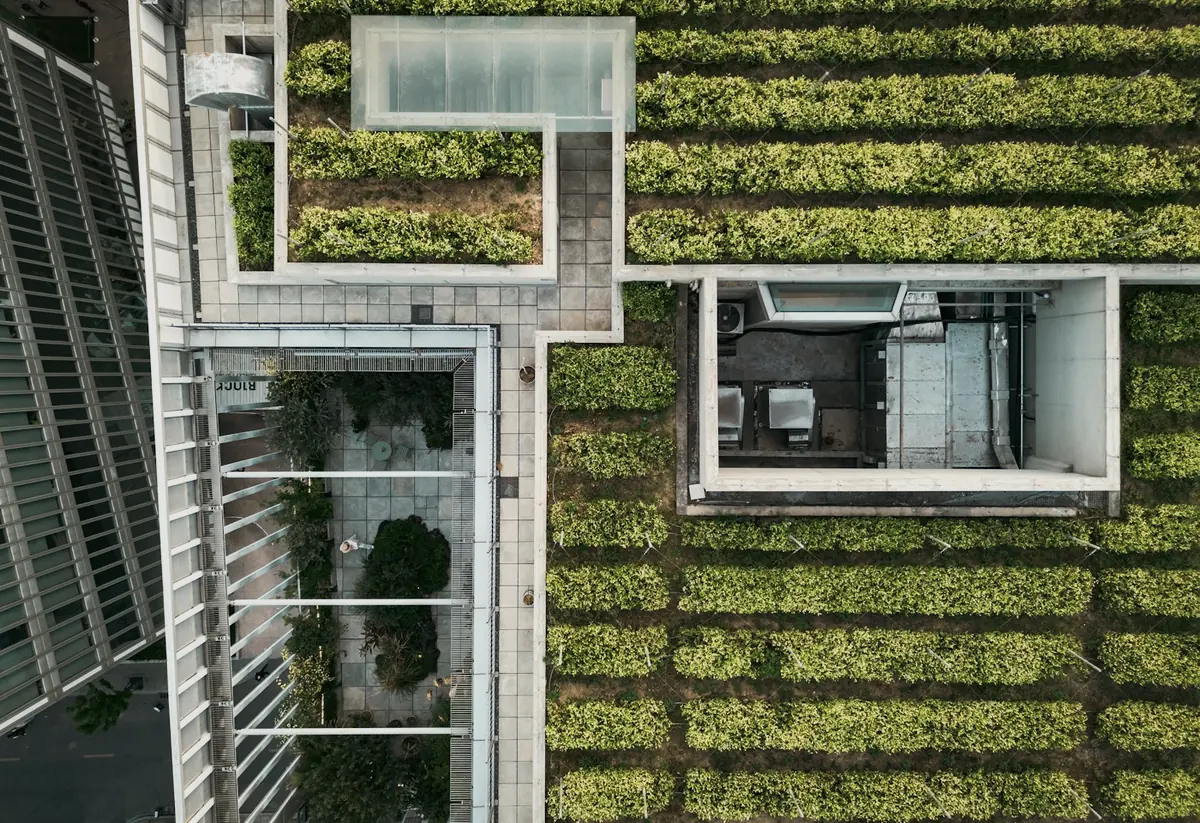
Inhabited, cultivated and run. Not a project on paper.
From 500 people upwards, security, medicine and supply run around the clock in shifts. Carried by trained staff, not by the citizens, and without overloading any individual.
Direct democracy is the standard in every Ark. Every resident is a citizen of the community, with a voice and responsibility, not merely a customer of a facility.
Everything else is postcard imagery: convincing in the brochure, but without their own supply, security structure and community they fall apart in the first second of a real crisis.
BrochureTypical Plan B property. A beautiful picture. Behind it: the public grid, the nearest supermarket, a fence.
SystemArk. Water, energy, food, security, medicine, community. Inhabited and in operation.
Discretion · Depth of review · Network
Whoever lives in an Ark remains unnamed. That applies to citizens and staff as much as to everyone who applies, including you.
Every location and every project is rated under the PBRI: supply, security, legal structure and operation. Where something is still missing, we say so openly.
An Ark is home to people who think alike and can do different things. In everyday life that is an enrichment, in difficult times a support.
Every application is reviewed individually. People with a similar mindset, a sense of community and know-how are given priority. After the review, you will receive a personal reply in every case.
Start applicationThe Plan B Resilience Index (PBRI) rates locations on a scale from 0 to 100, measured against the worst case: a major conflict between geopolitical power blocs.
The location is rated first: country, region and micro-location. If an Ark with verified self-sufficiency stands there, the value rises. A location only receives Ark approval once it reaches at least 70 points with an Ark.
Four levels of assessment, from the country down to the single property.
The index shows where an Ark would make sense. Not where one already stands.
The ranking follows the location value without an Ark. Only an Ark lifts a location above the threshold: Uruguay (80), North Sulawesi (73) and Bali (71) therefore hold Ark approval. As a country, Paraguay ranks above Bali, but it has no Ark yet and stays just below at 68.
Column “With Ark”: value with verified self-sufficiency (Type A), only where an Ark exists or is being built. Green from 70 means Ark approval.
Weighting · Country 40 % · Region 30 % · Micro 30 %
“With Ark” values apply only with verified self-sufficiency. Rated as a substantiated scenario, not a forecast. The country is public, the Ark stays discreet: we name specific property locations only after the personal analysis. The rating is updated quarterly.
Ark Network · As of 10/2026
More than 20 Arks have been built worldwide over the last 15 years. Most are private Arks of individual family offices and were taken long ago. A few are being built as community Arks and are open to applicants.
Through Projekt Arche you can currently apply for one Ark. Two more are in planning, and you can already register your interest there.
Ark Network · As of 10/2026
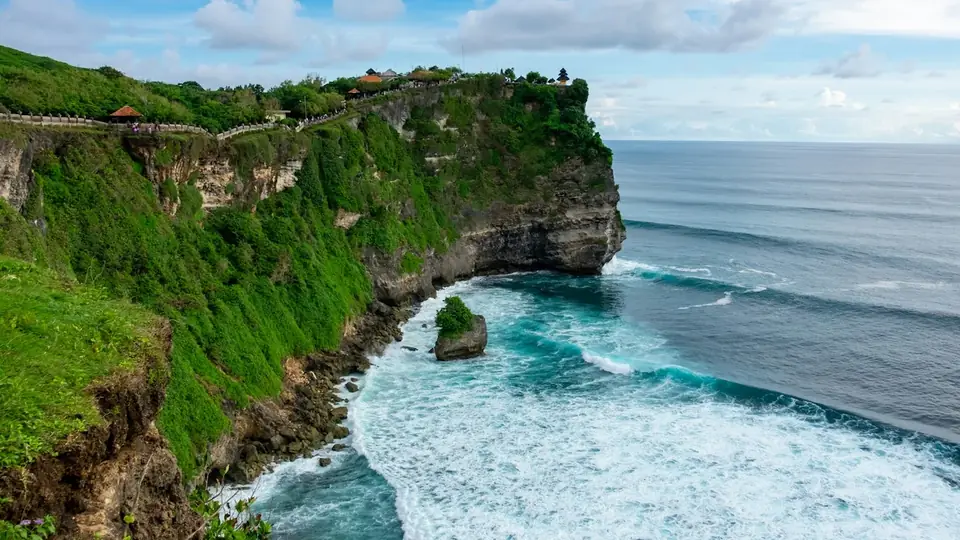
Open for applications
Type A · Ark project
Indonesia · Bali
Villas, gardens, water features and shared infrastructure in one integrated master plan, designed for self-sufficiency and resilience.
71PBRI with Ark
Open questionnaire for Ark Bali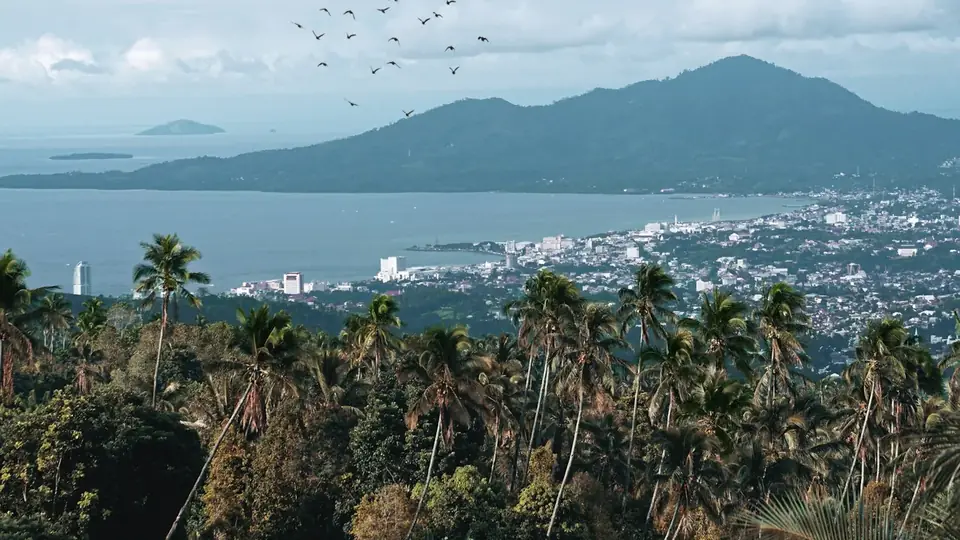 In planning phase
In planning
Type A · Ark project
Indonesia · Special Economic Zone
Large-scale, integrated development between coast and landscape, laid out as a community.
73PBRI with Ark
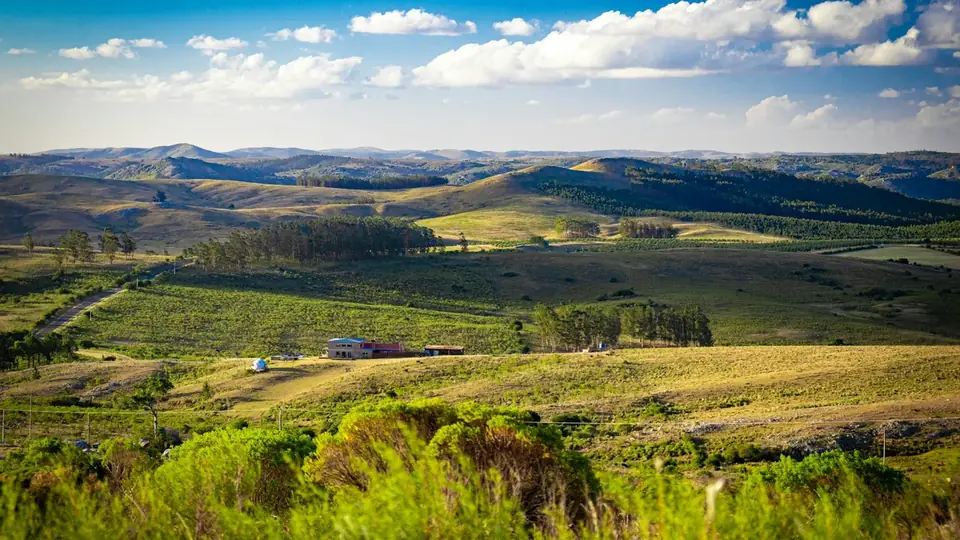 In planning phase
In planning
Type A · Ark project
Uruguay · South America
The location with the highest PBRI in the current rating.
80PBRI with Ark
Symbolic images of the regions, not project photographs. You will see first project visualisations in the application form, everything else after the personal analysis.
A selection of sites that have become known, anonymised. They show how early decision makers prepared.
Whoever enquires applies for access, not for a brochure.
A short questionnaire on your interest and your circumstances, plus your contact details. It takes about two minutes.
A first reviewer looks at your application and contacts you within 24 hours. The confidential conversation covers your situation, your wishes and your strengths.
After that, the project team presents the right Ark to you, with documents, models and availability.
Why we review
Arks are closed communities of like-minded people. Every person counts equally there, and everyone brings something: experience, craft, knowledge or the willingness to learn. That keeps a community moving even in difficult times, instead of just waiting. That is why we review how well applicant and Ark fit together. Places in each community are limited. Because there are several communities, each with its own character, the right one can usually be found.
Access only after analysis and mutual review. The Ark chooses its citizens just as they choose the Ark.
Bug-in means preparing at home. That only works if you live away from urban centres, critical infrastructure and possible lines of conflict. For most people in Europe, that is not the case. Bug-out means leaving in time for a place designed for longer outages. Whoever has chosen that place in advance does not have to improvise in an emergency. That is exactly what Arks are for.
A house is a building. In a longer crisis, water, energy, food, medicine and security count, and hardly any family can provide all of that alone. An Ark brings it all together in a community where everyone contributes something.
You apply via the questionnaire. A first reviewer contacts you within 24 hours and clarifies your situation, wishes and requirements with you. If it fits, the project team presents the Ark with documents, models (ownership, participation, right of residence) and terms. You sign the contract directly with the respective project company.
To apply, you should have at least €250,000 in freely available funds. Depending on the Ark and the model, access is usually well above that. We discuss exact terms in a personal conversation.
Then there is still a way. For smaller budgets there are Plan B solutions within Europe that we are happy to show you. Simply get in touch.
Your question is not here? Ask us confidentially.
Request access